
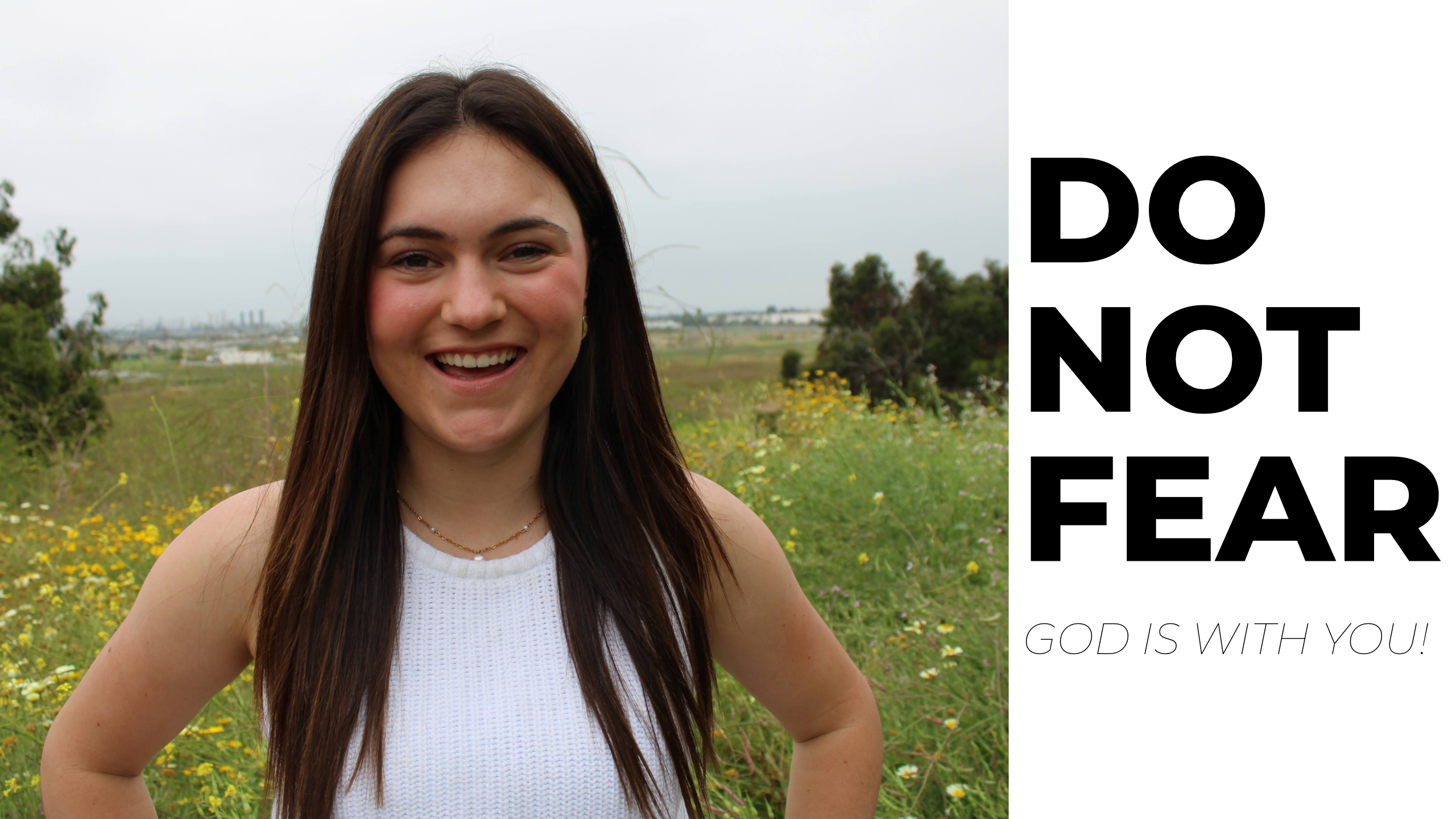
Growing up, I was always cautious. My siblings were carefree and adventurous, while I tended to be nervous—my mind quick to imagine all the things that could go wrong. I was an optimist at heart and genuinely loved life, yet that love made me deeply afraid of the potential bad that could happen.
When I went to college, this fear became more evident. What had once been simple caution began to show itself as anxiety. The fear that once helped me stay aware slowly overtook my thoughts and began to rule my life. I felt paralyzed by it.
I remember my mom telling me about an article she read that said fear and gratitude cannot coexist. I laughed and told her, “Trust me, I can find a way to make that happen.”
The summer after my freshman year, my family went to Hawaii on vacation. Throughout the trip, I found myself opening up about how tired I was of being afraid. I talked with my parents about the constant nervousness and the hopeless feeling that it would never get better. One day, my dad said, “Hannah, it’s okay to be human. It’s okay to be afraid—you just have to know your limits.” I remember breathing deeper after that. I’m human. I don’t have to be fearless; I just have to understand my limits.
On our last day of vacation, we went snorkeling at a nearby beach. The water was clear and calm, but one of my biggest fears is drowning. I told my parents I wanted to swim out a little farther to test my limits and then swim back.
At first, everything was great. The water was so clear I could see everything below me, and I felt determined to be brave. I kept swimming, occasionally looking back toward shore. Then I looked down—and the bottom was much farther away than I expected. My heart began to race. Panic set in.
I saw my mom swimming and tried to call her name, but she couldn’t hear me. My dad told me not to panic, yet here I was. Just swim, Hannah. You’re okay, I kept telling myself, trying not to imagine every possible thing that could go wrong.
Then that “silly” advice popped into my head: think of things you’re grateful for. So I did. As I swam, I began thanking God—thank You for the ability to swim, for the brightly colored fish, the clear water, my snorkel and goggles, the grains of sand, creation itself. I just kept listing everything that came to mind.
The craziest part is it worked. My heart slowed, my thoughts quieted, and before I realized it, I was almost back to shore. When I reached the shallow water where my dad was standing, a wave of emotions hit me. I was proud that I had faced my fear, but moments later I was sobbing—frustrated that I had been so afraid in the first place.
My dad, holding his snorkel and goggles and said, “Hannah, I was putting these on. I was about to come get you.”
In the middle of my panic, while I felt like I was drowning in fear, my dad had been watching the whole time—ready to come for me.
At the time, I only felt frustration toward my fear. But as I’ve reflected on this story, I see the heart of God more clearly. I learned two powerful things that day.
First, my mom was right—fear and gratitude cannot coexist. When I shifted my focus to what I was grateful for, my mind found peace and I was able to move forward.
Second, just as my dad was ready to swim out to me, so is Jesus when we are afraid. He is not distant or unaware of our fear. He watches us, ready to meet us where we are, reminding us of truth when we feel like we’re drowning.
I used to hate how much fear I felt. Now, I’m learning to be grateful for it—because it’s often the very thing that makes me cling to Jesus. And in clinging to Him, I see Him more clearly.
Related Posts

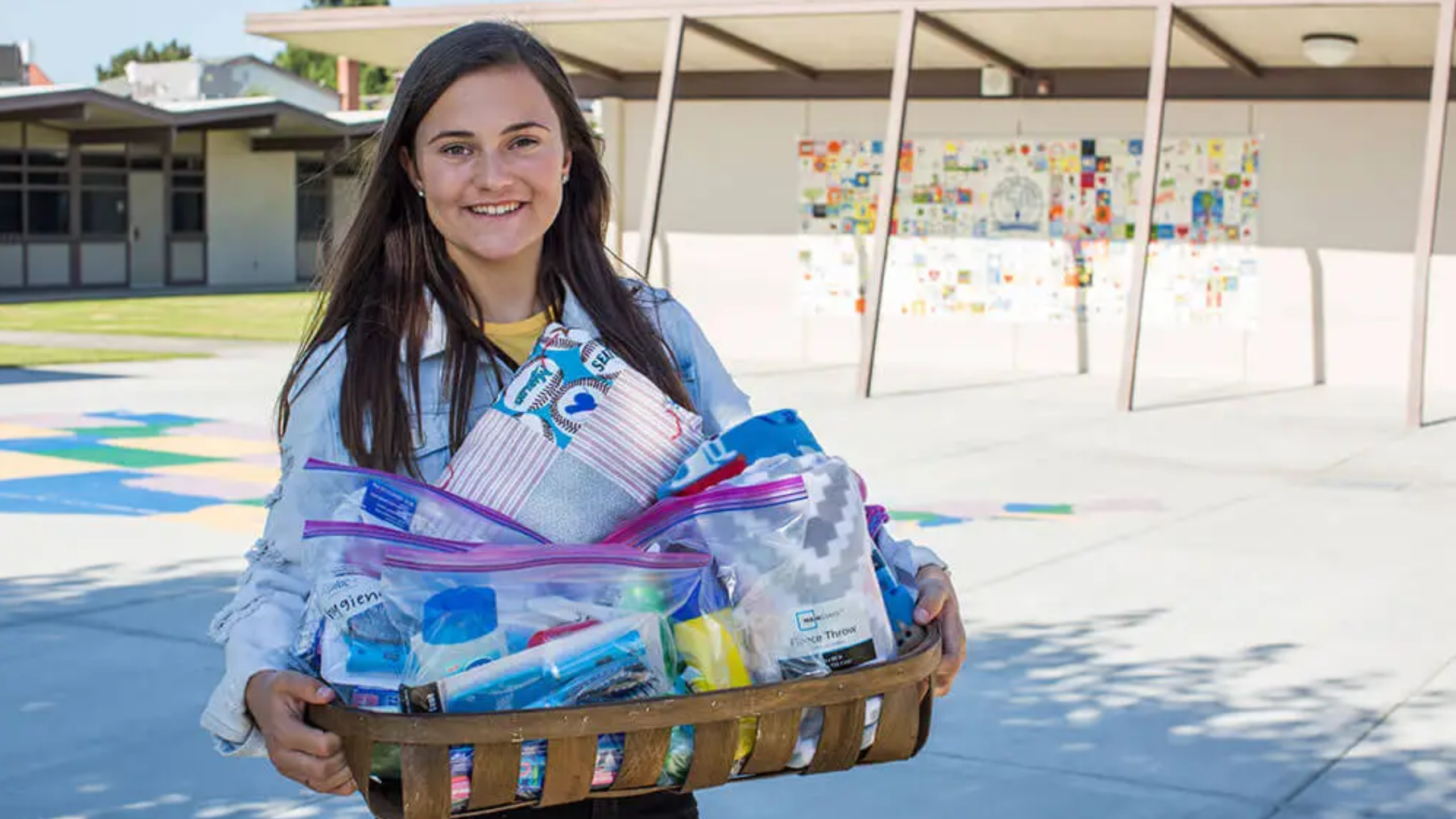 Hannah’s Helpful Hands